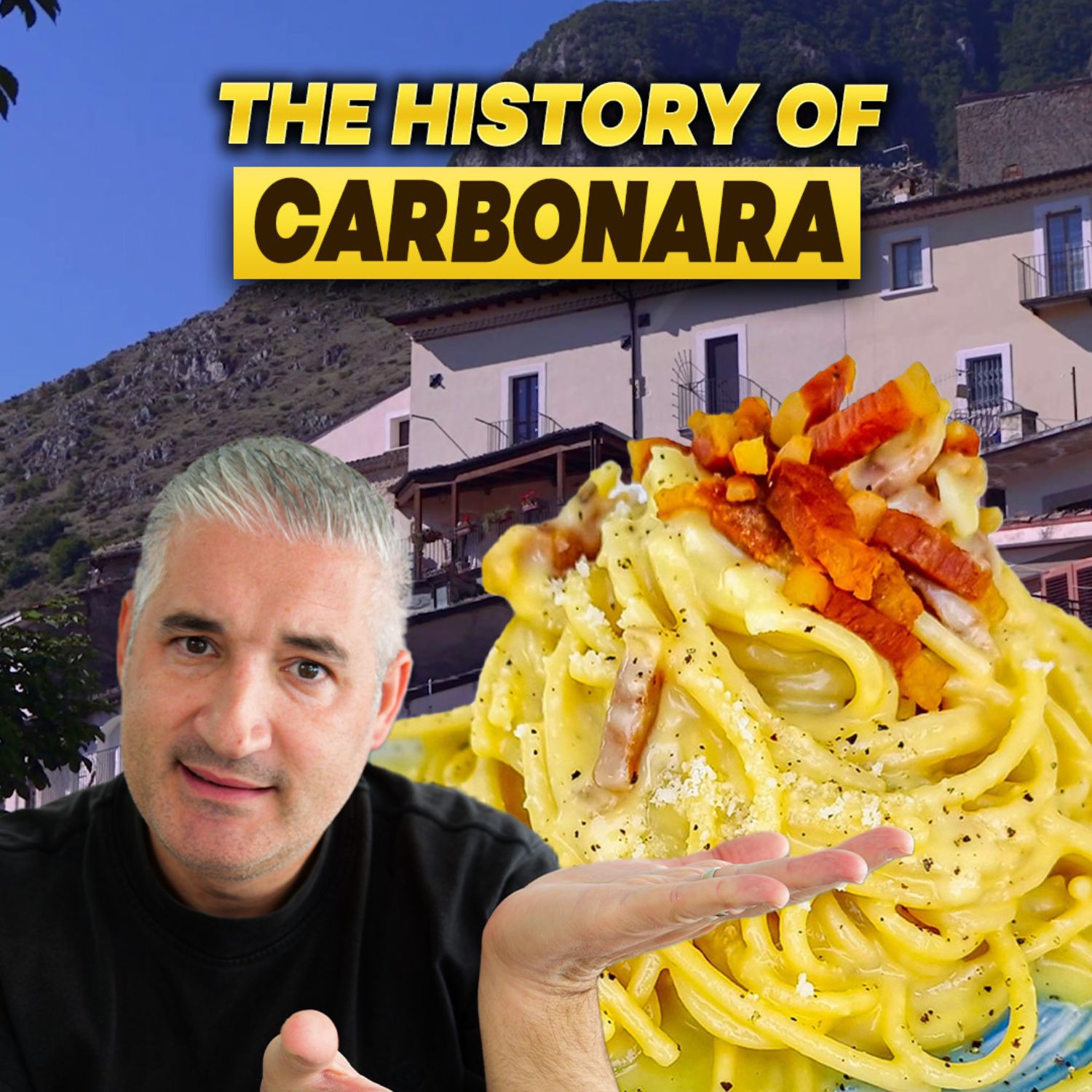
Carbonara's Humble Roots: From Wartime Rations to Iconic Pasta
Few dishes capture the heart of Italian cuisine quite like Carbonara. Its creamy, peppery embrace and rich, savory notes have made it a global favorite, synonymous with Roman dining. Yet, despite its widespread adoration, the origins of this celebrated pasta are surprisingly recent, a testament to ingenuity born from necessity. Forget ancient Roman scrolls or Renaissance cookbooks – the definitive
Carbonara recipe as we know it today is a post-World War II marvel, a delicious tale of cultural fusion and culinary evolution.
This isn't a dish whose legacy stretches back centuries, but rather one forged in the crucible of wartime shortages and elevated by timeless Roman passion for good food. The story of how this simple, yet profoundly satisfying, pasta came to be is as rich and layered as the dish itself.
The Birth of a Legend: Wartime Rations to Roman Genius
Imagine Rome in the immediate aftermath of World War II. The city, like much of Italy, was weary, scarred, and hungry. Resources were scarce, and food was a precious commodity. It was into this landscape that American soldiers arrived, bringing with them not just peace, but also their own culinary staples: often powdered eggs and shelf-stable bacon. These were humble, comforting provisions designed for wartime practicality rather than gourmet dining.
But Romans, with their unparalleled culinary heritage, possess an innate ability to transform the ordinary into the extraordinary. They saw potential in these basic ingredients. Out went the processed powdered eggs, swiftly replaced by the vibrant, fresh yolks that are a cornerstone of Italian cooking. The American bacon, while a welcome source of fat and protein, was soon elevated. In its place stepped
guanciale – a cured pork jowl, deeply flavorful and incomparably rich, offering a distinct aroma and texture that bacon simply can't replicate.
The bright, sometimes artificial, American cheese also received a Roman upgrade. Instead of something mild and processed, the locals opted for
Pecorino Romano, a sharp, salty sheep's milk cheese, beloved across central Italy for its pungent depth and ability to create a silky sauce. And finally, the magic touch: a generous hand with freshly cracked black pepper. Not just a sprinkle, but enough to awaken the palate and provide a bold, aromatic counterpoint to the richness of the pork and cheese.
The resulting dish was so hearty and satisfying, so reminiscent of the robust meals once enjoyed by the
carbonari (charcoal workers) who toiled in the Apennine mountains, that it earned their name:
Pasta alla Carbonara. From humble wartime rations, a masterpiece was born, and in less than a century, this simple, peppery pasta has captivated diners worldwide, becoming one of Italy's most iconic and sought-after dishes.
The Sacred Ingredients: What Makes a Carbonara, Carbonara
The true essence of an authentic
Carbonara recipe lies in its minimalist approach and the unwavering quality of its core components. There are no shortcuts, only a reverence for these few, perfect ingredients:
*
Guanciale: This is arguably the most critical ingredient for a truly authentic Carbonara. Unlike bacon or pancetta, guanciale is cured pork jowl, not belly. Its fat renders beautifully, producing a distinct, nuanced flavor and a crisp texture that forms the foundational layer of the sauce. The rendered fat itself is crucial for emulsifying the egg and cheese mixture.
*
Pecorino Romano: This hard, salty sheep's milk cheese is sharper and tangier than Parmigiano Reggiano. Its robust flavor stands up to the richness of the guanciale and eggs, and its fine texture helps create the creamy emulsion that defines Carbonara.
*
Fresh Eggs: Traditionally, a blend of whole eggs and extra yolks is used. The yolks provide the luxurious, velvety texture, while a whole egg might be included for additional protein and binding. The key is to use fresh, high-quality eggs.
*
Black Pepper: This is not merely a seasoning but a co-star. Freshly cracked black pepper, often a generous amount, adds a pungent warmth and aromatic complexity that cuts through the richness and lifts the entire dish.
*
Pasta: While spaghetti is the classic choice, other long pasta shapes like bucatini or even short ones like rigatoni can be used. The crucial factor is cooking the pasta perfectly
al dente, retaining some bite. The starchy pasta water is also indispensable for creating the sauce.
The magic happens when these elements come together, not in a bubbling pot of cream, but through a delicate emulsification process where the heat of the freshly cooked pasta, the rendered guanciale fat, the egg mixture, and a splash of starchy pasta water combine to form a glossy, rich, and utterly irresistible sauce.
The Creamy Divide: Evolving Tastes and Modern Interpretations
While the traditional Roman
Carbonara recipe steadfastly avoids cream, the culinary world, always in flux, has embraced variations. The debate between "authentic" no-cream Carbonara and its "creamy" counterparts is fervent among purists and home cooks alike.
Many modern interpretations, particularly outside of Italy, incorporate cream or half-and-half into the sauce. This approach often aims to achieve a richer, more consistently thick consistency, which can be less intimidating for novice cooks. A
creamy Carbonara recipe might swap guanciale for pancetta or even bacon, use Parmesan instead of (or in addition to) Pecorino Romano, and introduce ingredients like garlic for added depth.
For those seeking an indulgent, easy-to-master pasta dish, the creamy version offers a delightful experience. It removes some of the technical challenges of achieving the perfect emulsion without cream, resulting in a sauce that is undeniably rich and satisfying. It's a fantastic entry point for beginners and a delicious option for those who simply prefer a more lavish texture. Some recipes even promise a fantastic creamy Carbonara in as little as 25 minutes, making it an excellent choice for a quick yet special weeknight meal.
Ultimately, both versions have their place. The traditionalists champion the purity and historical integrity of the cream-free Roman original, celebrating its elegant simplicity. The creamy version appeals to those who prioritize a different kind of richness and ease of preparation. Neither necessarily negates the other, but rather highlights the adaptability and enduring appeal of a concept born from simple ingredients.
Crafting Your Perfect Carbonara: Tips for Success
Whether you opt for the purist's path or embrace a creamy rendition, a few key techniques and considerations will elevate your
Carbonara recipe from good to extraordinary.
For Traditional Carbonara (Cream-Free):
- Render Guanciale Slowly: Cut your guanciale into small cubes or strips. Cook it over low to medium heat until it's crisp and has rendered most of its fat. This fat is essential for the sauce. Remove the crispy guanciale, leaving the fat in the pan.
- Prepare Your Egg Mixture: In a separate bowl, vigorously whisk your egg yolks (and any whole eggs you're using) with a generous amount of finely grated Pecorino Romano and plenty of freshly cracked black pepper.
- Timing is Everything: Cook your pasta in generously salted boiling water until just al dente. Before draining, reserve at least 1-2 cups of the starchy pasta water.
- Emulsify Off the Heat: This is the crucial step. Immediately after draining, add the hot pasta directly to the pan with the rendered guanciale fat (off the heat!). Toss well to coat.
- Create the Sauce: Pour the egg and cheese mixture over the pasta. Working quickly and continuously, toss vigorously, adding splashes of the hot pasta water as needed. The heat from the pasta will gently cook the eggs into a silky, glossy sauce, without scrambling them. The pasta water helps create the emulsion and adjust consistency.
- Serve Immediately: Carbonara waits for no one. Garnish with more crispy guanciale, Pecorino, and black pepper.
For Creamy Carbonara:
- Crisp Your Pancetta: Fry diced pancetta until golden and crisp. You can add a clove of minced garlic to the pan for extra aroma, as suggested in some recipes.
- Build a Creamy Sauce Base: While the pasta cooks, whisk together cream (or half-and-half), egg yolks, grated Parmesan (or Pecorino), and black pepper in a bowl.
- Combine with Ease: Drain your al dente pasta and add it to the pan with the pancetta (and garlic, if used). Pour in your creamy sauce mixture and toss everything together over low heat for a minute or two until warmed through and coated. The risk of scrambling is significantly lower.
- Garnish Generously: Top with extra cheese, more black pepper, and fresh parsley if desired.
For either version, pair your dish with a crisp white wine like a Pinot Grigio or Chardonnay for a truly delightful meal. Carbonara is not just tasty, it's packed with protein and satisfying flavors that make it a wholesome and indulgent choice.
Conclusion
The journey of the
Carbonara recipe from humble wartime rations to an internationally acclaimed pasta dish is a powerful testament to the enduring magic of Italian culinary artistry. It's a story of adaptability, resourcefulness, and the profound ability to transform basic ingredients into something extraordinary. Whether you prefer the purist's cream-free approach, honoring its Roman roots, or delight in a richer, creamy adaptation, Carbonara stands as a beacon of comfort food. It exemplifies how simplicity, when executed with quality ingredients and a touch of passion, can be deeply, profoundly satisfying. So go ahead, embark on your own Carbonara adventure – it's a dish worth returning to again and again.